


Low-dose cytokine therapy uses signalling molecules at very high dilutions, prepared by sequential kinetic activation, to gently modulate the messengers that govern chronic inflammation rather than to suppress them. It is a physiological-regulation approach used within biological medicine for persistent low-grade inflammatory states.
This reference outlines the rationale, the featured preparations, how a course is structured, and the administration and safety considerations for the practitioner.
The short version: Low-dose interleukin, activated by SKA and taken as oral drops, is used to modulate the cytokine network in chronic inflammation, with Sepia compositum drops as a PNEI adjunct.
Rationale: modulating the cytokine network
Cytokines are the signalling language of the immune system. Low-dose cytokine preparations present these molecules at very low, sequentially activated concentrations, with the aim of nudging the cytokine network back toward balance rather than blockading a single pathway as high-dose biologics do.
In chronic inflammatory states, the intent is to support restored regulation of the inflammatory response over time. The approach is used as physiological modulation, framed within the wider psycho-neuro-endocrine-immune (PNEI) model, not as an anti-inflammatory drug.
The remedies and their roles
Two oral preparations are featured.
- Interleukin 1-beta 4CH drops supply the low-dose, SKA-activated cytokine signal used to modulate the inflammatory network.
- Sepia compositum (Guna-Mood) drops serve as a PNEI adjunct, addressing the neuroendocrine and mood-terrain dimension that often accompanies chronic inflammation.
Protocol structure and sequencing
Low-dose cytokines are generally taken as an oral course over an extended period, reflecting the regulatory, cumulative nature of the approach rather than acute symptom control. Oral drops are commonly held sublingually away from food; specific timing and duration follow manufacturer directions.
The cytokine drop provides the immunological axis of the protocol while the PNEI adjunct supports the neuroendocrine terrain. Sequencing is individualised, and both may be run concurrently within a wider Guna Method plan that also addresses drainage.
Administration and practical notes
These are oral, patient-administered drops. Emphasise consistency and adherence over an extended course, and set realistic expectations that regulation is gradual. Do not attach fixed numeric dosing beyond the manufacturer's stated pattern; individualise within that framework.
Reassess periodically and coordinate with any conventional anti-inflammatory management the patient is receiving.
Combining and cautions
Low-dose cytokine therapy is not a replacement for indicated conventional treatment of inflammatory disease and should complement, not displace, appropriate medical care. Review concurrent immunomodulatory medication, respect known hypersensitivity to constituents, and follow manufacturer cautions in pregnancy. Chronic inflammatory presentations warrant proper diagnosis before biological support is added.
Your natural toolkit — and which to reach for
Remedies referenced in this protocol. These are oral, patient-administered preparations within a practitioner-designed plan.
Interleukin 01 Beta (IL 1B) - Drops — low-dose, SKA-activated interleukin to modulate the inflammatory cytokine network.
Guna Mood - Drops — PNEI adjunct supporting the neuroendocrine and mood terrain.
Featured products

Interleukin 01 Beta (IL 1B) - Drops
Low-dose SKA interleukin drops for modulating chronic inflammation.
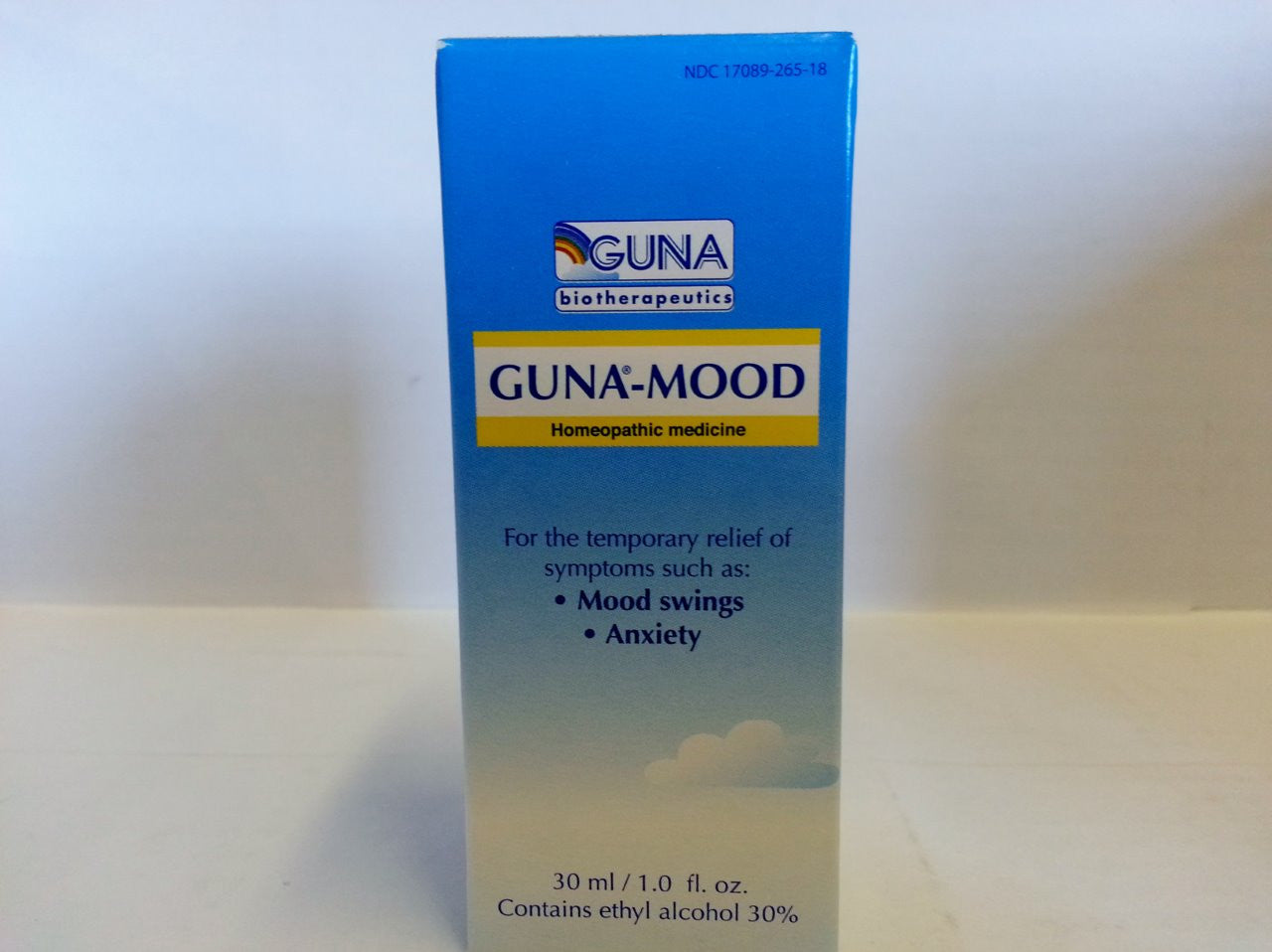
Guna Mood - Drops
PNEI drops addressing the neuroendocrine terrain alongside the cytokine axis.
Explore the full United Remedies range — blending homeopathy from Heel, Guna and Sanum with Weleda’s plant-based topicals and Zooki’s liposomal supplements.
Practitioner FAQ
How does low-dose cytokine therapy differ from a biologic drug?
High-dose biologics typically block a specific cytokine or receptor. Low-dose, sequentially activated cytokine preparations aim instead to modulate the signalling network toward balance at very low concentrations. They are used as physiological regulation and are not equivalent to, or a substitute for, biologic pharmacotherapy.
Why include a PNEI adjunct such as Sepia compositum?
Chronic inflammation seldom exists in isolation from the neuroendocrine and psychological terrain. The Sepia compositum drops address that PNEI dimension, reflecting the model's view of inflammation as one node in an interconnected regulatory system.
What time course should be expected?
The approach is regulatory and cumulative, so courses are generally extended rather than acute. Emphasise adherence and realistic expectations, and follow the manufacturer's stated pattern for administration and duration rather than a fixed numeric schedule.
Note: For qualified healthcare practitioners only. This material is educational and does not replace clinical judgement, individual patient assessment, or the manufacturer's official directions and contraindications. Injectable and practitioner-administered preparations must be used only by suitably trained clinicians observing local scope-of-practice and aseptic standards.