


Low-dose neurotrophin therapy uses homeopathically diluted signalling molecules such as BDNF (4CH) to gently support neuroplasticity and neuroendocrine communication. In practice, Guna BDNF 4CH is paired with a neuroendocrine-mood remedy like Sepia Compositum to address the wider axis rather than a single molecule.
This article explains the low-dose signalling rationale, the remedy roles, how BDNF fits a PNEI-oriented protocol, administration patterns and the cautions appropriate to this class.
The short version: Low-dose BDNF 4CH is used to support neuroplasticity and neuroendocrine signalling, typically alongside a neuroendocrine-mood remedy within a PNEI framework.
Rationale: low-dose signalling molecules
The low-dose (typically 4CH-range) preparation of signalling molecules rests on the concept that highly diluted messengers can support the body's own regulatory pathways in a modulating, physiological direction rather than a pharmacological one. BDNF is a neurotrophin central to synaptic plasticity, mood regulation and the resilience of neurons to stress.
Using a low-dose BDNF preparation is intended to support these plasticity and adaptation pathways gently, as one element of a network-level PNEI strategy rather than as a substitute for endogenous neurotrophic function.
The remedies and their roles
Both featured items are oral drop preparations suitable for structured home dosing.
- Guna BDNF 4CH carries the neurotrophic-plasticity theme, chosen where cognitive fatigue, low resilience and stress-related mood change are prominent.
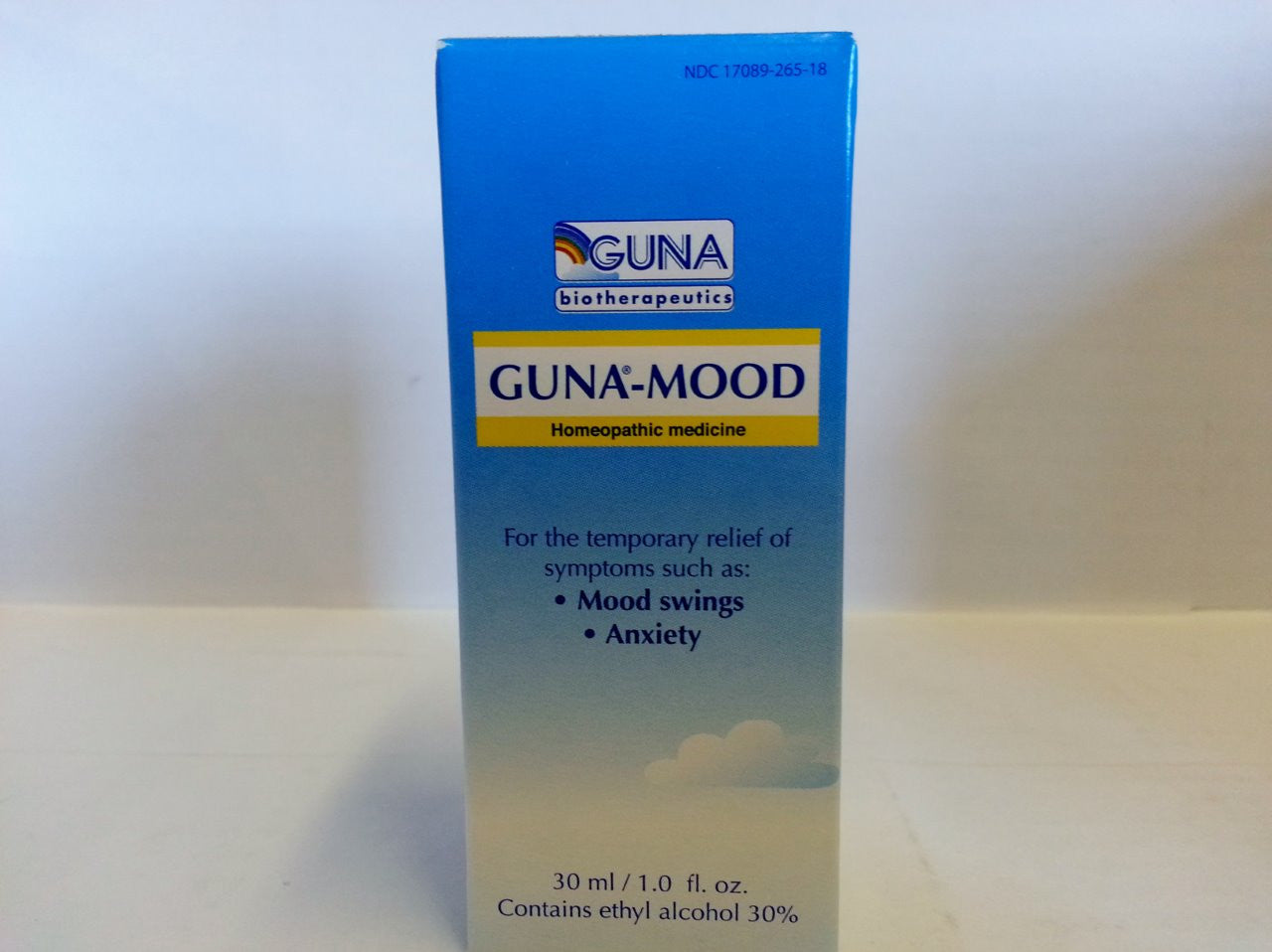
- Sepia Compositum (Guna Mood) anchors the neuroendocrine-mood dimension, giving the protocol a broader axis focus alongside the single-molecule remedy.
Protocol structure and sequencing
A representative structure runs BDNF 4CH as the neurotrophic component with the neuroendocrine-mood remedy providing context across a treatment cycle. Low-dose signalling remedies are frequently dosed in structured on/off rhythms rather than continuously, reflecting their regulating intent.
Cycle rhythm, on/off pattern and duration follow manufacturer guidance and individual assessment; track cognitive energy, mood stability and stress reactivity to guide continuation or rotation.
Administration and practical notes
Oral drops are usually taken away from food and held briefly in the mouth. Low-dose signalling collections are often administered on a defined cyclical schedule (for example a set number of dosing days per cycle) per manufacturer directions, rather than open-ended daily use.
Set expectations for gradual, cumulative change over cycles. Because effect is regulatory, encourage patients to maintain sleep, exercise and nutritional practices that themselves support neurotrophic signalling.
Combining and cautions
Low-dose neurotrophins combine comfortably with the wider PNEI toolkit and with lifestyle work. They are supportive, regulating remedies and are not a treatment for neurological or psychiatric disease; significant cognitive decline, mood disorder or neurological symptoms require appropriate specialist assessment. Observe manufacturer contraindications and review the patient's overall medication and treatment plan.
Your natural toolkit — and which to reach for
Remedies referenced in this protocol. Both are oral drops; low-dose signalling remedies are typically dosed in defined cycles.
Guna BDNF - Drops — carries the neurotrophic-plasticity theme in a low-dose preparation.
Guna Mood - Drops — anchors the neuroendocrine-mood dimension of the protocol.
Featured products

Explore the full United Remedies range — blending homeopathy from Heel, Guna and Sanum with Weleda’s plant-based topicals and Zooki’s liposomal supplements.
Practitioner FAQs
What is the concept behind a 4CH signalling molecule?
It is a highly diluted preparation of a physiological messenger, used on the premise that low-dose signalling can support the body's own regulatory pathways in a modulating rather than pharmacological way.
Is BDNF 4CH used continuously?
Low-dose signalling remedies are more often dosed in defined on/off cycles than open-ended daily use; the specific rhythm follows manufacturer guidance and individual assessment.
Does this raise BDNF levels?
The remedy is framed as supporting neurotrophic signalling pathways in a regulating sense; it should not be presented as pharmacologically raising a measured biomarker.
Note: For qualified healthcare practitioners. Educational only; not a substitute for clinical judgement, individual assessment, or the manufacturer's directions. Injectable preparations are administered by trained practitioners, using appropriate aseptic technique and within the practitioner's scope of practice.