


تستخدم غونا دعم السيتوكينات منخفضة الجرعة في حالات المناعة الذاتية السيتوكينات والجزيئات الإشارية التي تُعطى عن طريق الفم بتخفيف منخفض هوميوباثي (عادةً 4CH) لتعديل الإشارات المناعية بلطف نحو التوازن، مقترنة بدعم PNEI لمعالجة السياق العصبي-الغدي-المناعي. توضح هذه المقالة الأساس المنطقي والهيكل السريري للممارسين.
تغطي المقالة مفهوم العلاج المناعي المتسلسل منخفض الجرعة، وأدوار الإنترلوكين منخفض الجرعة ومنظم PNEI، وهيكل البروتوكول، وأنماط الإعطاء، والتحذيرات التي تنطبق في حالات المناعة الذاتية.
الخلاصة: تهدف السيتوكينات منخفضة الجرعة التي تُعطى عن طريق الفم إلى تعديل الإشارات المناعية في حالات المناعة الذاتية بدلاً من قمعها، وتُستخدم إلى جانب دعم PNEI ودائمًا ضمن برنامج مُشرف عليه ومُقيَّم بشكل فردي.
الأساس المنطقي: التعديل، لا القمع
يعتمد نموذج السيتوكينات منخفضة الجرعة على فكرة أن جزيئات الإشارة التي تُعطى بتخفيف منخفض هوميوباثي يمكن أن تعمل كمعلومات تنظيمية لجهاز المناعة، وتدعم التحول نحو شبكات سيتوكينات متوازنة بدلاً من قمعها بشكل عام. في حالات المناعة الذاتية، حيث تكون الإشارات مضطربة بدلاً من أن تكون مفرطة ببساطة، فإن هذا الإطار التعديلي له أهمية مركزية.
هذا نهج مساعد وتنظيمي يُستخدم ضمن إدارة الممارس الأوسع، وليس بديلاً عن التشخيص أو المراقبة أو الرعاية المعدلة للمرض. ويتم تأطيره على أنه يدعم تنظيم المناعة، وليس علاجًا لأمراض المناعة الذاتية أبدًا.
العلاجات وأدوارها
أحد المستحضرات هو علاج إشاري منخفض الجرعة يُعطى عن طريق الفم؛ والآخر هو منظم موجه نحو PNEI.
- قطرات غونا إنترلوكين 1 بيتا 4CH توفر سيتوكينًا بتخفيف منخفض يهدف إلى تعديل الإشارات المسببة للالتهابات التي يشارك فيها IL-1β، ويُستخدم لدعم إعادة التوازن بدلاً من الحصار.
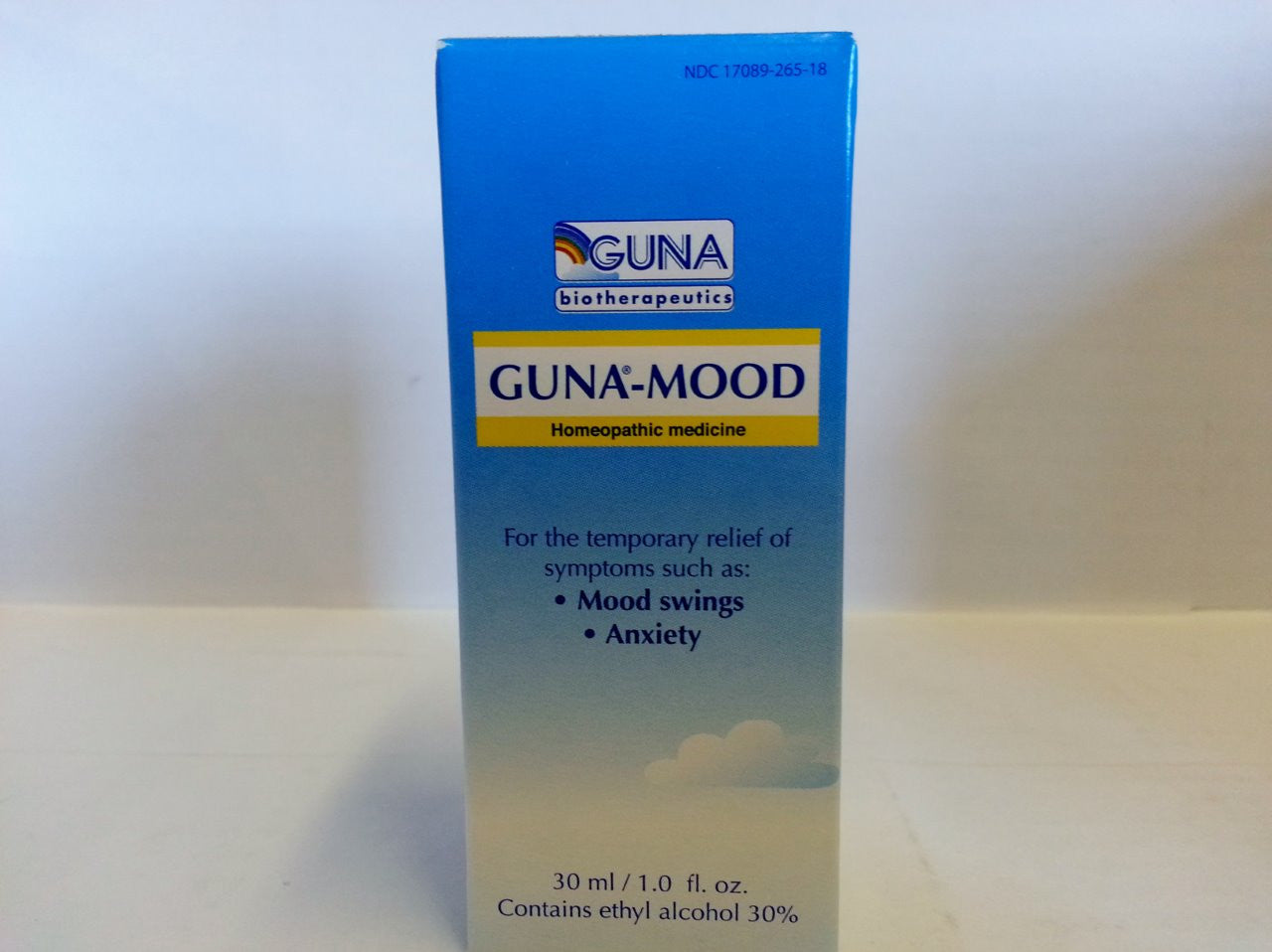
- تساهم قطرات سيبيا كومبوزيتوم (غونا مود) في دعم PNEI والظروف، معالجةً السياق العصبي-الغدي والمزاجي الذي غالبًا ما يصاحب حمل المناعة الذاتية المزمن.
هيكل البروتوكول والإدارة
عادةً ما يتم هيكلة عمل السيتوكينات منخفضة الجرعة كدورة تستغرق عدة أسابيع إلى شهور، مما يعكس الطبيعة البطيئة والمنظمة للعمل المقصود. تُؤخذ القطرات الفموية عادةً بعيدًا عن الطعام، وغالبًا ما تُحتفظ بها لفترة وجيزة في الفم قبل البلع، بتردد يُحدد وفقًا لإرشادات الشركة المصنعة والتقييم الفردي.
هيكل شائع يجمع السيتوكين منخفض الجرعة كمكون للإشارات المناعية مع منظم PNEI الذي يعالج محور الإجهاد العصبي-الغدي، ثم يراجع الاستجابة على فترات محددة. قم بإدخال المكونات بشكل تدريجي حتى يمكن الحكم على التحمل والاستجابة لكل منها. تنطبق أنماط الإعطاء العامة — وتتبع جداول الجرعات المحددة توجيهات الشركة المصنعة، وليس وصفة طبية ثابتة.
الدمج والتحذيرات
غالبًا ما يتناول مرضى المناعة الذاتية أدوية مناعية أو بيولوجية؛ يجب التنسيق مع الطبيب المعالج وعدم اعتبار الدعم منخفض الجرعة سببًا لتغيير العلاج الموصوف. راقب تغير الأعراض، واحترم أي حساسية معروفة للمكونات، وكن منتبهًا للفردية في استجابات المناعة الذاتية. وثّق البرنامج، والإدخال التدريجي، والمراجعة السريرية في كل خطوة.
مجموعتك الطبيعية — وما يجب اللجوء إليه
العلاجات المشار إليها في هذا البروتوكول. هذه مستحضرات منخفضة الجرعة تُعطى عن طريق الفم تُستخدم ضمن برنامج مُشرف عليه.
إنترلوكين 01 بيتا (IL 1B) - قطرات — سيتوكين منخفض التخفيف لتعديل إشارات IL-1β المسببة للالتهابات.
غونا مود - قطرات — دعم PNEI وظروف السياق العصبي-الغدي لحمل المناعة الذاتية.
المنتجات المميزة

إنترلوكين 01 بيتا (IL 1B) - قطرات
قطرات إنترلوكين منخفضة الجرعة من غونا لتعديل الإشارات المناعية.
اكتشف مجموعة يونايتد ريميديز الكاملة — مزيج من العلاجات المثلية من هيل وغونا وسانوم مع مستحضرات ويدا الموضعية النباتية ومكملات زوكي الليبوزومية.
الأسئلة الشائعة للممارسين
كيف يختلف IL-1β منخفض الجرعة عن البيولوجيا الحاصرة للسيتوكينات؟
البيولوجيا تمنع دوائيًا السيتوكين أو مستقبلاته؛ النموذج منخفض الجرعة يُعطي السيتوكين نفسه بتخفيف منخفض هوميوباثي كمعلومات تنظيمية، بهدف دعم إعادة توازن الإشارات بدلاً من قمعها. يعمل الاثنان على مبادئ مختلفة تمامًا وغير قابلة للتبادل.
هل يمكن استخدام هذا إلى جانب معدِّلات المناعة التقليدية؟
يُعتبر هذا نهجًا مساعدًا ويجب التنسيق معه مع الطبيب المعالج. الدعم منخفض الجرعة ليس سببًا لتغيير العلاج الموصوف المعدّل للمرض؛ وتبقى المراقبة والتشخيص ضمن الرعاية التقليدية.
لماذا يُدرج علاج PNEI في بروتوكول مناعي؟
يعالج نموذج النفسي-العصبي-الغدي-المناعي تنظيم المناعة ومحور الإجهاد العصبي-الغدي على أنهما مترابطان. إضافة منظم PNEI يعالج السياق البيئي والمزاجي الذي تستمر فيه إشارات المناعة الذاتية المزمنة، وفقًا للتقييم الفردي.
ملاحظة: للممارسين الصحيين المؤهلين. للمعلومات التعليمية فقط؛ ليس بديلاً عن الحكم السريري، أو التقييم الفردي، أو توجيهات الشركة المصنعة. تُستخدم المستحضرات منخفضة الجرعة ضمن برنامج مُشرف عليه ولا تحل محل التشخيص أو العلاج الموصوف.