


The antihomotoxic approach to menopausal support addresses the transition on three levels: the neuroendocrine terrain, the mood and PNEI dimension, and the characteristic vasomotor and constitutional symptoms. The aim is to support regulation through the transition rather than to replace hormones.
This reference outlines the rationale, the three featured remedies and their roles, how the protocol is structured, and the administration and safety considerations.
The short version: Senectus-F supports the ageing endocrine terrain, Sepia compositum the mood and PNEI dimension, and Klimaktheel the vasomotor symptoms, combined as non-hormonal menopausal support.
Rationale: regulation across the transition
Menopause is a physiological transition in which the neuroendocrine system recalibrates. The antihomotoxic and PNEI approach seeks to support that recalibration and the terrain around it, addressing the interplay of endocrine change, mood and vasomotor symptoms as an interconnected whole.
This is framed as regulatory support, not hormone replacement, and is used where a non-hormonal, terrain-oriented strategy suits the patient and her preferences.
The remedies and their roles
Three preparations cover the endocrine, PNEI and symptomatic levels.
- Senectus-F drops support the ageing female endocrine terrain within the healthy-ageing approach.
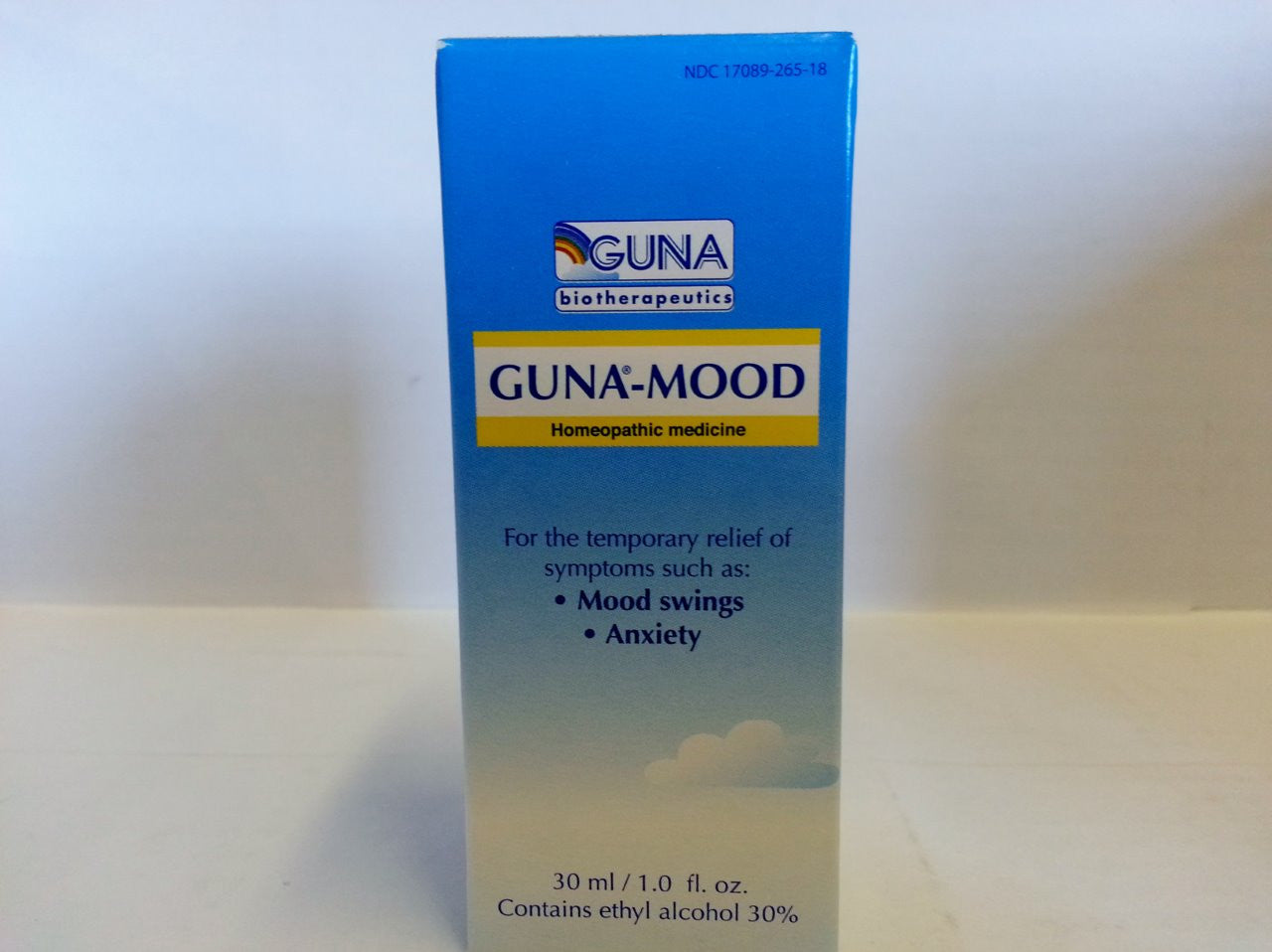
- Sepia compositum (Guna-Mood) drops address the mood, hormonal and PNEI dimension that so often accompanies the transition.
- Klimaktheel tablets target the characteristic vasomotor and constitutional menopausal symptoms.
Protocol structure and sequencing
The three preparations are commonly run together, each addressing a different level: an endocrine-terrain drop, a PNEI and mood drop, and a symptomatic tablet for vasomotor complaints. This layered structure reflects the multidimensional nature of the transition.
Drainage may be added as a background where the terrain is congested. Courses are sustained over an extended period, reflecting the gradual, regulatory intent, and the emphasis is adjusted as the dominant symptoms shift.
Administration and practical notes
Senectus-F and Sepia compositum are oral drops and Klimaktheel an oral tablet, all patient-administered. Oral drops are commonly held briefly in the mouth; timing, frequency and duration follow manufacturer directions and individual assessment rather than a fixed numeric schedule.
Set realistic expectations of gradual change, and review periodically as symptoms evolve through the transition.
Combining and cautions
This support does not replace clinical evaluation of menopausal or perimenopausal symptoms; investigate abnormal bleeding or red-flag features conventionally. It is not hormone therapy and is not a substitute for it where that is indicated. Observe known hypersensitivity to constituents and coordinate with any concurrent management the patient is receiving.
Your natural toolkit — and which to reach for
Remedies referenced in this protocol. These are oral, patient-administered preparations within a practitioner-designed plan.
Guna Senectus F - Drops — support for the ageing female endocrine terrain.
Guna Mood - Drops — PNEI and mood dimension of the transition.
Klimakt-Heel Tablets — characteristic vasomotor and constitutional menopausal symptoms.
Featured products


Explore the full United Remedies range — blending homeopathy from Heel, Guna and Sanum with Weleda’s plant-based topicals and Zooki’s liposomal supplements.
Practitioner FAQ
Is this an alternative to hormone therapy?
No. It is regulatory, terrain-oriented support framed within the PNEI and antihomotoxic model, not hormone replacement. It suits patients seeking a non-hormonal strategy and is not a substitute for hormone therapy where that is clinically indicated.
Why address mood and PNEI alongside vasomotor symptoms?
The transition involves an interconnected shift across endocrine, psychological and vasomotor domains. Combining an endocrine-terrain drop, a PNEI and mood drop and a symptomatic preparation reflects that multidimensional picture rather than treating hot flushes in isolation.
What red flags warrant conventional assessment?
Abnormal or postmenopausal bleeding and other red-flag features require conventional investigation. This protocol supports the transition and does not replace clinical evaluation of menopausal and perimenopausal symptoms.
Note: For qualified healthcare practitioners only. This material is educational and does not replace clinical judgement, individual patient assessment, or the manufacturer's official directions and contraindications. Injectable and practitioner-administered preparations must be used only by suitably trained clinicians observing local scope-of-practice and aseptic standards.