


Sepia is a major homeopathic remedy prepared from the ink of the cuttlefish. In homeopathic practice it is traditionally associated with hormonal and reproductive complaints, with a dragging, bearing-down sense in the pelvis, and with an exhausted, indifferent state that lifts with vigorous exercise.
This page covers where Sepia comes from, the complaints it is classically used for, the symptom picture practitioners recognise, and the forms and potencies it usually appears in.
The short version: Sepia is the cuttlefish-ink remedy for hormonal ups and downs, pelvic dragging and a worn-out, indifferent mood that lifts with exercise.
What is Sepia and where does it come from?
Sepia is prepared from the dark brown-black ink that the cuttlefish (Sepia officinalis) releases to cloud the water when threatened. The dried ink is triturated and then serially diluted into a homeopathic remedy. It became one of homeopathy's most valued constitutional remedies, particularly connected with the female hormonal system.
What is Sepia traditionally used for?
In homeopathic tradition, Sepia spans the hormones, the pelvis and the emotions. People reach for it when:
- Hormonal shifts around menstruation, and other stages of a woman's life.
- A dragging, bearing-down sensation in the pelvis, as if everything might give way.
- Exhaustion and heaviness, feeling worn out and weepy.
- Indifference to loved ones — a striking irritability or flatness toward those closest.
- Feeling worse before periods and in the cold, yet better for vigorous movement.
Who typically reaches for Sepia?
The classic picture is someone depleted and overburdened who has become withdrawn and snappish — craving to be left alone, yet dreading true solitude. A famous keynote is improvement from vigorous exercise or dancing: the person who feels dreadful sitting still yet comes alive with brisk movement. Symptoms are often worse before menses, in the cold and from standing, and better for exertion, warmth and eating.
What forms and potencies does Sepia come in?
Sepia is found as small tablets and pillules, and within combination drops aimed at mood and hormonal balance. It is commonly used in low to medium potencies such as 6C and 30C, with higher potencies reserved for deeper constitutional work under a homeopath. As a well-known constitutional remedy, it is often chosen when the overall picture — not just a single symptom — fits.
Your natural toolkit — and which to reach for
You will find Sepia within mood-supporting combination drops such as the one below.
Guna Mood - Drops — reach for this if you want Sepia in a ready-to-use combination drop aimed at mood and balance.
Featured products
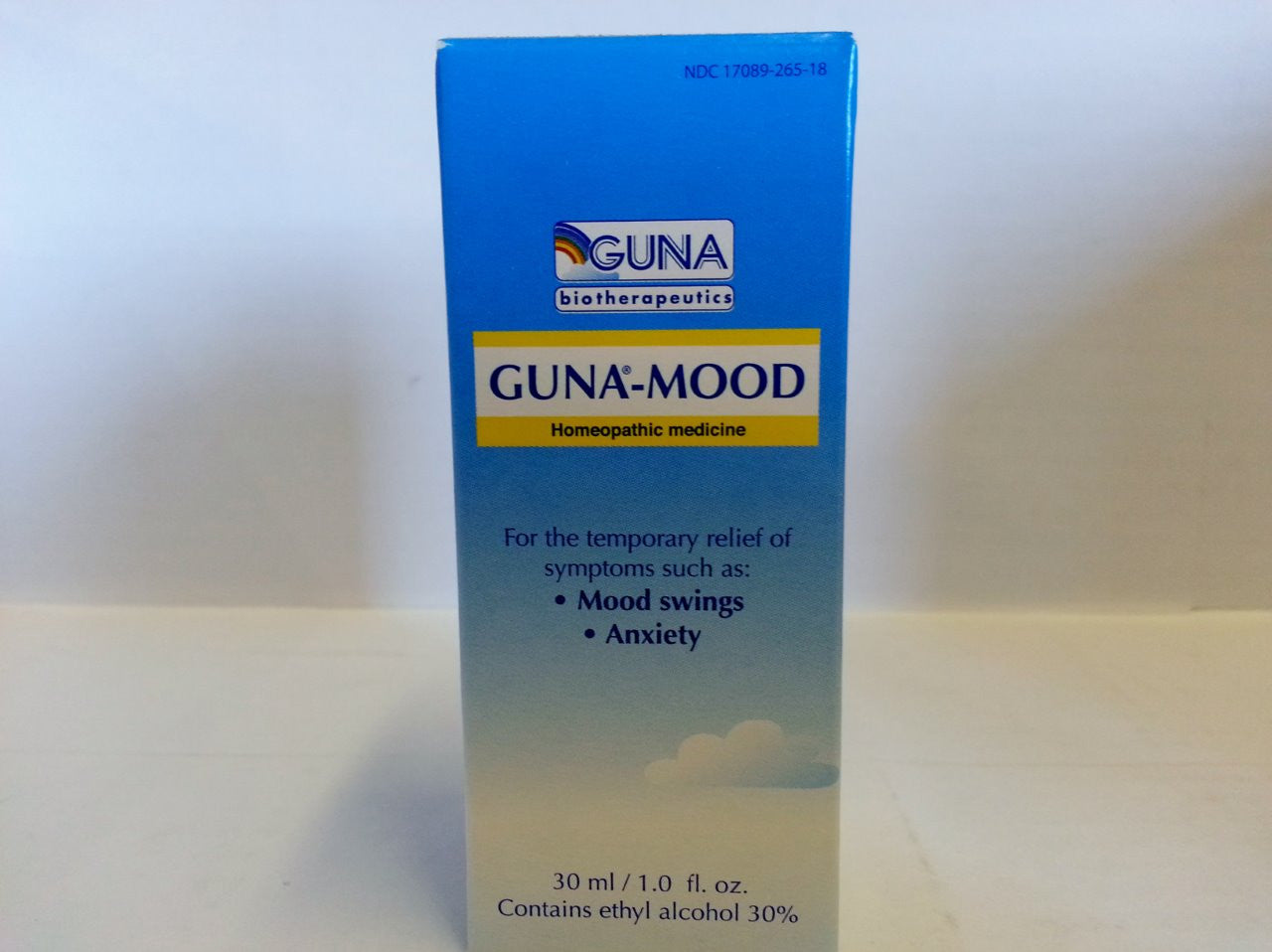
Guna Mood - Drops
A combination homeopathic drop featuring Sepia, with a focus on mood and balance.
Explore the full United Remedies range — blending homeopathy from Heel, Guna and Sanum with Weleda’s plant-based topicals and Zooki’s liposomal supplements.
Common questions
What is Sepia best known for?
It is best known as a women's remedy for hormonal shifts, pelvic dragging and an exhausted, indifferent mood.
What is the classic Sepia keynote?
Feeling markedly better for vigorous exercise or dancing, alongside irritability and indifference toward loved ones when depleted.
How is Sepia usually taken?
It is commonly used in low to medium potencies such as 6C or 30C, or in combination drops. Follow the pack directions or a qualified homeopath's guidance.
Note: This page is for general education and is not medical advice. Homeopathic remedies are used within a tradition of self-care and are not a substitute for professional diagnosis or treatment. If symptoms are severe, persistent or worsening, please speak to a qualified health professional.