


Natural Remedy Guides
A flatness that will not lift, tearfulness, a loss of drive and the sense of running on empty — low mood affects most of us at some point, often in the wake of stress, exhaustion or a difficult life event. Many people look for gentle, natural support to help them feel more like themselves again. This guide explains how the antihomotoxic approach views low mood, and the remedies the Biotherapeutic Index recommends.
Understanding low mood
The compendium draws a useful distinction. A reactive, situational dip — low mood following stress, overwork or upset — is treated as an ectodermal reaction or impregnation phase and described under ‘Depression, exogenous’, where ‘in view of the transitory character, deeply effective constitutional remedies are usually unnecessary’ and ‘rapid improvement is usually achieved’. More entrenched, long-standing low mood is treated as a deeper neurodermal degeneration phase under ‘Depression, endogenous’ (Biotherapeutic Index, Therapeutic Index). The antihomotoxic approach aims to support the body's own regulation and resilience rather than override it.
The antihomotoxic approach
For the common reactive kind of low mood, the Index names Nervoheel as the main remedy, paired with Ignatia-Homaccord: ‘Ignatia-Homaccord 8-10 drops at 8 a.m. and 4 p.m.’ with ‘Nervoheel 1 tablet at 12 noon and 8 p.m.’, the two ‘possibly taken together 2-4-6 times daily.’ Nervoheel is well suited here — its constituents are noted for ‘physical and mental exhaustion’ and ‘exogenic depression, tendency to weep, lability of mood’.
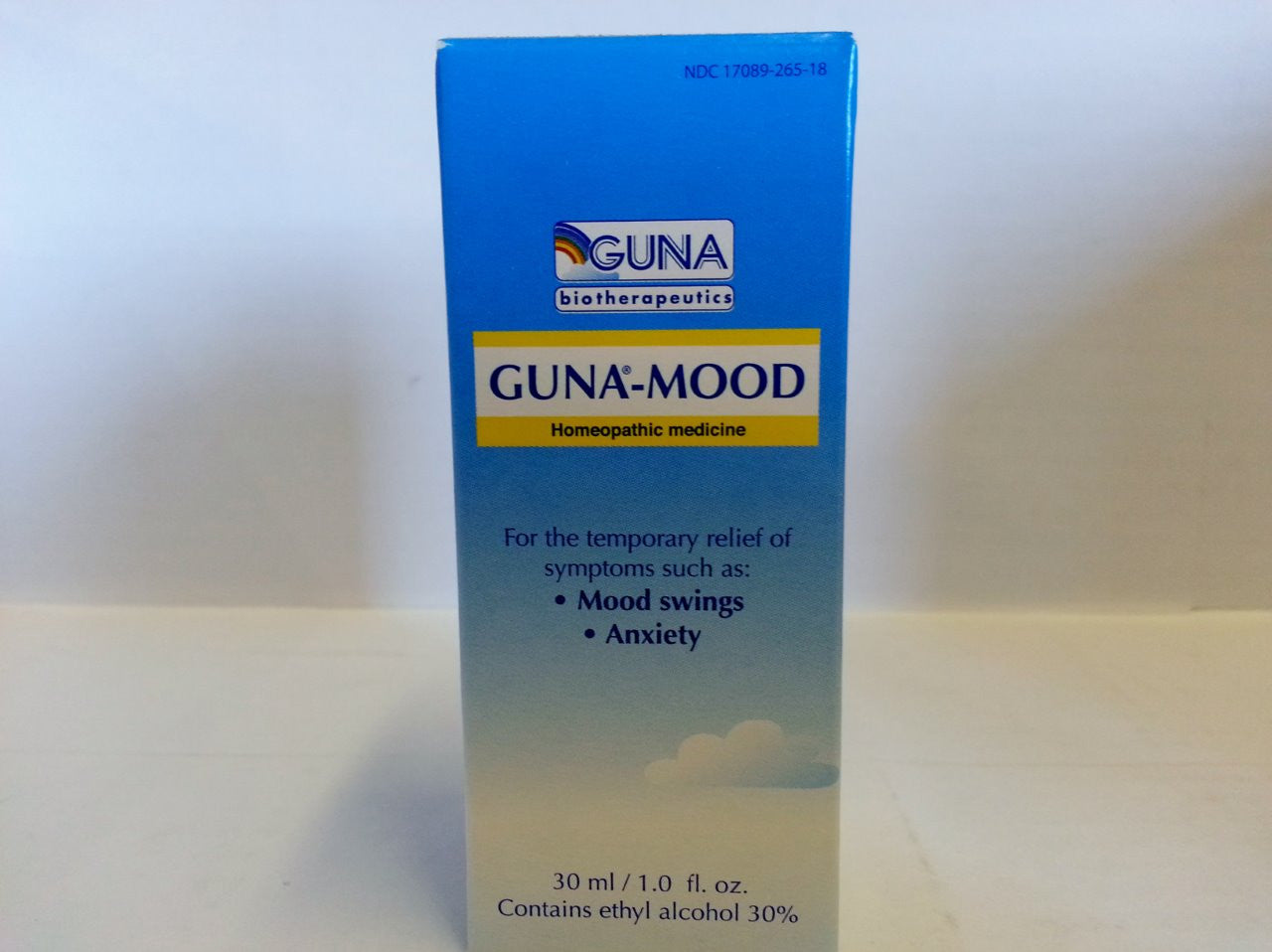
For deeper, more persistent low mood the compendium's main remedy is Psorinoheel, given with Galium-Heel and Nervoheel, adding ‘Ignatia-Homaccord for a tendency to weep’ and Hepeel to support the hepatic function. Alongside these classics, Guna Mood is a modern low-dose formulation United Remedies stocks specifically for anxious depression and cyclic mood disorders.
Recommended remedies
The remedies named for low mood, each linked to its page in the store:
- Nervoheel — the main remedy for reactive, exogenous low mood with exhaustion and lability of mood; one tablet two or three times daily.
- Ignatia-Homaccord — the compendium's choice ‘for a tendency to weep’ and changeable, sighing low mood; 8-10 drops morning and afternoon.
- Guna Mood — a modern low-dose preparation for anxious depression, cyclic mood disorders and low, flat states.
- Psorinoheel — the main constitutional remedy for deeper, long-standing low mood; 8-10 drops through the day.
- Galium-Heel — the compendium's regular partner to Psorinoheel in entrenched cases, supporting the body's drainage and cellular function.
- Hepeel — added to support the hepatic function, which the Index links closely to mood and vitality.



How to use them
For reactive low mood the compendium's simple, effective pairing is Ignatia-Homaccord 8-10 drops at 8 a.m. and 4 p.m. with one Nervoheel tablet at midday and in the evening — combined more often through the day if needed. Guna Mood can be taken in the same everyday way for anxious, flat states. Where low mood is deeper and more settled, the picture shifts to a longer course: Psorinoheel 8-10 drops several times daily with Galium-Heel, Nervoheel morning and evening, Ignatia-Homaccord for tearfulness and Hepeel to support the liver — taken consistently over a number of weeks.
For persistent, deep-seated cases the Index also sets out practitioner-led injection protocols — for example Cerebrum compositum with Hepar compositum to support cerebral and hepatic function — used under professional care. Low mood that is severe, or that includes thoughts of self-harm, always warrants prompt help from a qualified practitioner or doctor.
Not sure which remedy is right for you?
Use our Natural Remedy Finder to match your symptoms to the most suitable preparations in just a few minutes.
Prefer to talk it through first? Contact our team — we are always happy to help you choose.
Source: Protocols and quotations from the Heel Biotherapeutic Index — Ordinatio Antihomotoxica et Materia Medica, 5th revised English edition (Biologische Heilmittel Heel GmbH, Baden-Baden, 2000): Therapeutic Index, ‘Depression, exogenous’ and ‘Depression, endogenous’, and the Nervoheel monograph.