


A PNEI (psycho-neuro-endocrine-immune) approach to stress and HPA-axis dysregulation uses low-dose, physiological-regulating remedies to support communication across the stress network rather than to suppress a single symptom. Sepia Compositum (Guna Mood) addresses the neuroendocrine-mood theme while Cerebrum Compositum supports cerebral and regulatory function.
This article frames the PNEI rationale, the roles of the featured remedies, protocol structure across a treatment cycle, administration patterns and cautions in patients with chronic stress-load presentations.
The short version: Low-dose PNEI remedies support the stress network as a whole; Sepia Compositum addresses the neuroendocrine-mood theme and Cerebrum Compositum supports cerebral regulation.
Rationale: treating the network, not a single node
PNEI models describe stress physiology as an integrated network in which the HPA axis, autonomic tone, mood circuits and immune signalling continuously modulate one another. Chronic stress-load presentations rarely reduce to a single deranged hormone, so the therapeutic aim is to support regulation and adaptive flexibility across the network.
In the physiological-regulating and antihomotoxic framework, low-dose composite remedies are used to nudge communication back toward balance, complementing lifestyle, sleep, nutritional and psychological work rather than overriding endogenous rhythms.
The remedies and their roles
Both featured remedies here are oral drop preparations, making them convenient for daily home use between consultations.
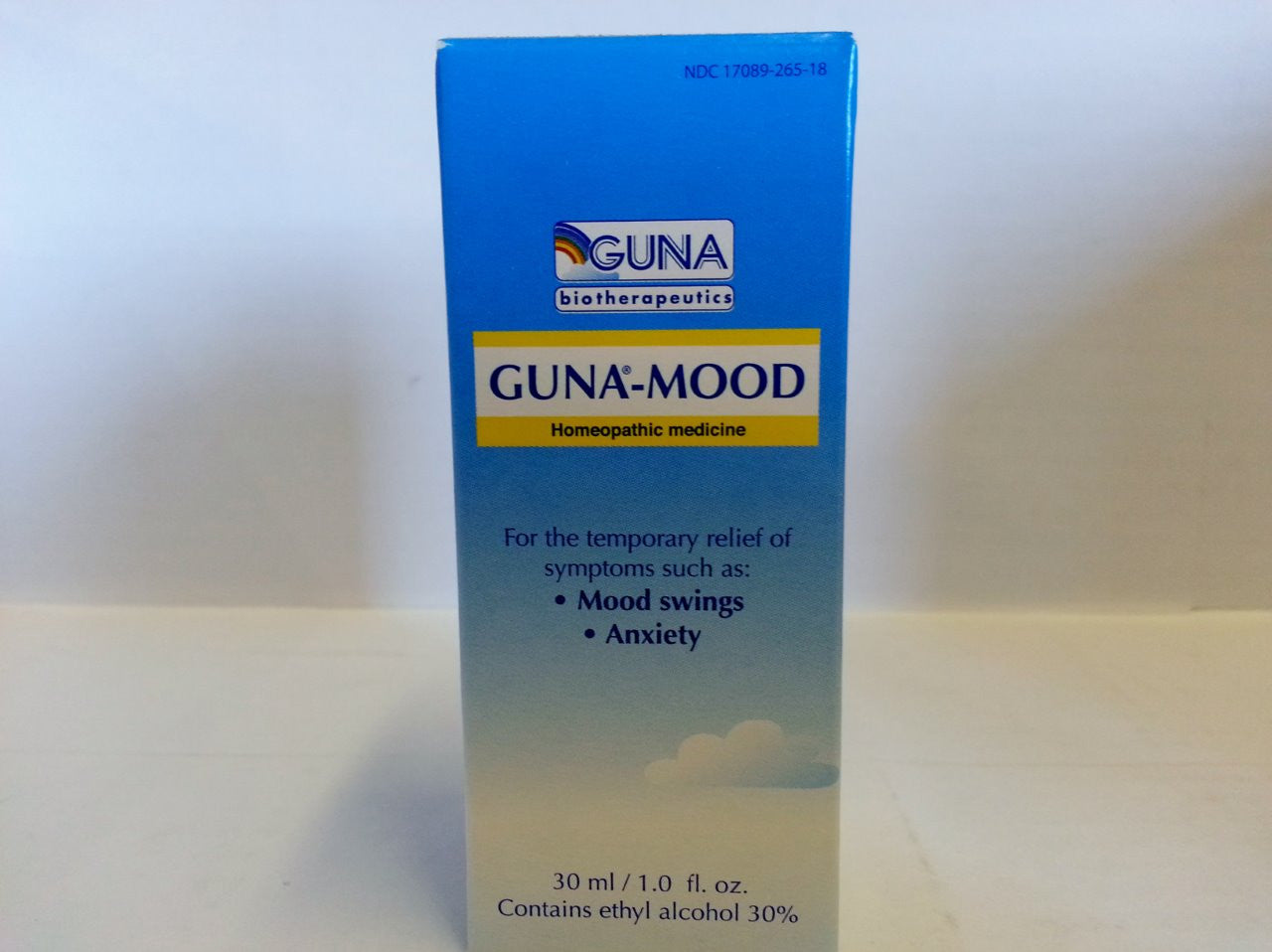
- Sepia Compositum (Guna Mood) addresses the neuroendocrine-mood dimension of the stress picture, often chosen where hormonal shift, low mood and irritability coexist.
- Cerebrum Compositum supports cerebral and higher-regulatory function, useful where mental fatigue, poor concentration and the cognitive cost of chronic stress are prominent.
Protocol structure and sequencing
A common structure runs the two remedies together over a defined cycle, with Sepia Compositum carrying the neuroendocrine-mood theme daily and Cerebrum Compositum layered in for the cognitive-regulatory dimension. Some practitioners phase Cerebrum Compositum more intensively early, then maintain the mood remedy.
Cycle length and rhythm follow manufacturer guidance and individual assessment; reassessment of sleep, energy pattern, mood and stress reactivity should guide continuation, spacing or rotation.
Administration and practical notes
Oral drops are typically taken away from food, held briefly in the mouth, and dosed across the day; a common pattern is several times daily, adjusted to response, per manufacturer directions. Cerebrum Compositum is also available in ampoule form for practitioner administration where an injectable route is preferred.
Because these are regulating rather than sedating agents, patients should be told to expect gradual change over a cycle rather than an immediate effect, and to maintain the foundational stress-hygiene measures alongside.
Combining and cautions
The approach integrates well with adaptogenic, nutritional and behavioural strategies and with drainage support where indicated. Screen for organic endocrine disease (thyroid, adrenal pathology), significant mood disorder requiring specialist care, and medication interactions in the broader plan. These remedies support regulation and are not a treatment for diagnosed psychiatric or endocrine disease.
Your natural toolkit — and which to reach for
Remedies referenced in this protocol. Both are oral drops for daily use; Cerebrum Compositum also exists as a practitioner-administered ampoule.
Guna Mood - Drops — carries the neuroendocrine-mood theme of the stress picture.
Cerebrum Compositum - Ampoules — supports cerebral and higher-regulatory function under chronic stress load.
Featured products

Cerebrum Compositum - Ampoules
Composite remedy supporting cerebral and regulatory function.
Explore the full United Remedies range — blending homeopathy from Heel, Guna and Sanum with Weleda’s plant-based topicals and Zooki’s liposomal supplements.
Practitioner FAQs
What does a PNEI approach add over single-remedy prescribing?
It reframes the case around the interacting stress network, so remedy selection targets several dimensions (neuroendocrine-mood, cognitive-regulatory, autonomic) rather than one symptom in isolation.
Can these two remedies be taken together?
Yes, they are commonly run concurrently over a cycle, one carrying the mood theme and the other the cognitive-regulatory theme; timing and rhythm follow manufacturer guidance and individual assessment.
Is this a treatment for clinical depression or an adrenal disorder?
No. These are regulating remedies used to support adaptation; diagnosed psychiatric or endocrine disease requires appropriate medical assessment and management.
Note: For qualified healthcare practitioners. Educational only; not a substitute for clinical judgement, individual assessment, or the manufacturer's directions. Injectable preparations are administered by trained practitioners, using appropriate aseptic technique and within the practitioner's scope of practice.