


A PNEI approach to sleep treats disturbed sleep as a signalling problem across the psychoneuroendocrine-immune network — stress-axis overactivation, blunted wind-down and circadian drift — rather than as an isolated symptom. Antihomotoxic remedies are used to support calming and stress-axis regulation while behavioural circadian anchoring does the structural work.
This article outlines the rationale, the remedies referenced, how they are structured across the day, and the cautions and co-management points relevant to sleep complaints.
The short version: Support stress-axis wind-down with antihomotoxic remedies while circadian behaviour anchors the rhythm — a network, not single-symptom, approach.
The PNEI rationale for sleep
Poor sleep frequently reflects a nervous system that cannot down-regulate: sustained sympathetic tone, cortisol rhythm disruption and cognitive arousal. The PNEI model targets the interfaces between these systems, aiming to support the transition to rest and the stability of the sleep-wake rhythm. Remedies are used to modulate arousal and support regulation, working alongside light exposure, timing and stimulus-control behaviours that set the clock.
The remedies and their roles
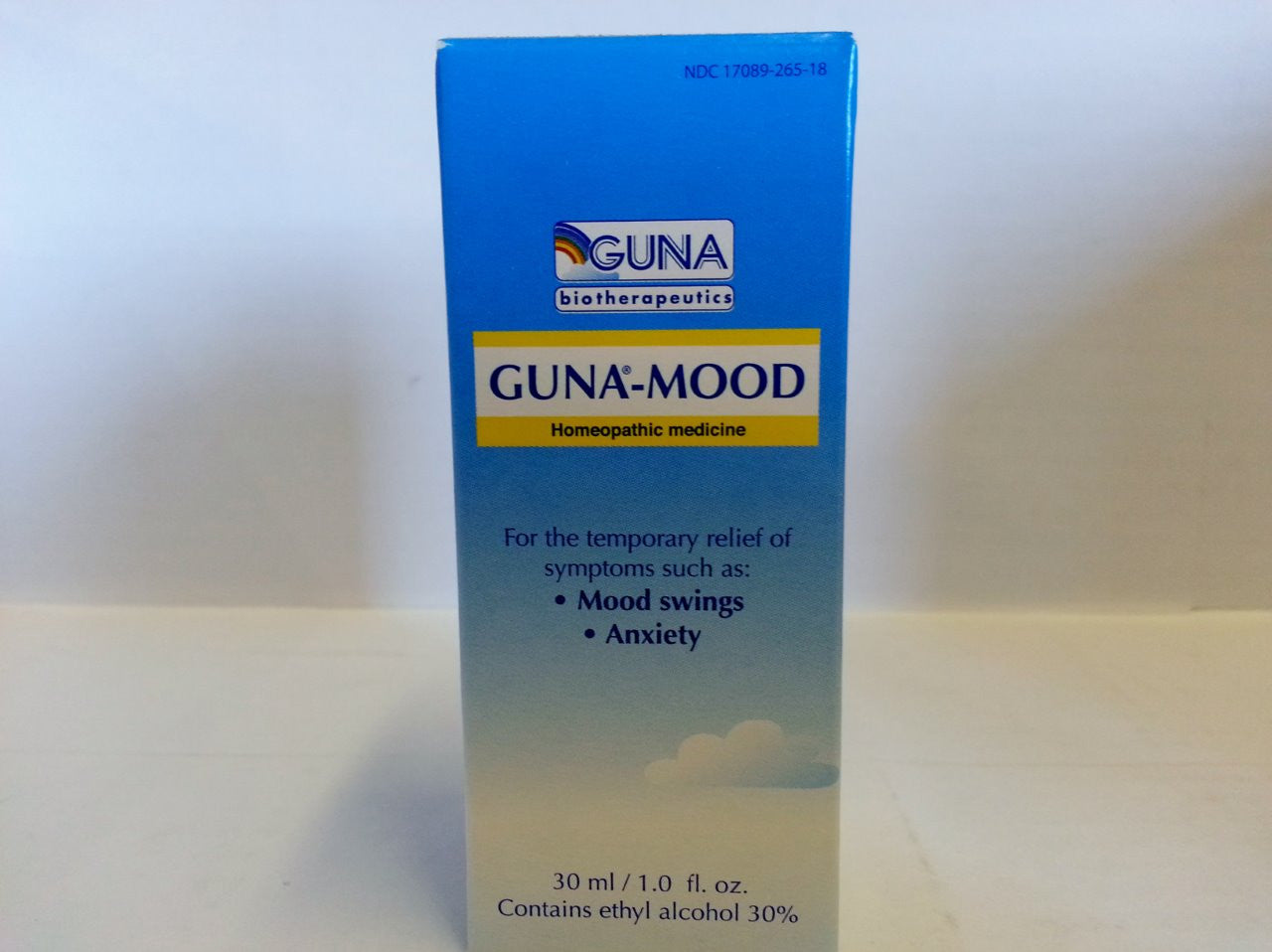
Neurexan is a combination antihomotoxic remedy traditionally used to support calming and ease sleep onset without a sedative-hypnotic mechanism, making it suited to evening wind-down. Sepia Compositum (Guna Mood) is referenced as the daytime PNEI companion addressing stress-axis and mood terrain, on the principle that daytime dysregulation drives night-time arousal.
Structuring across the day
The logic is chronobiological: support regulation of the stress axis through the day and support wind-down in the evening. General practice with oral tablets and drops is regular daytime dosing for the PNEI remedy and evening/pre-bed dosing for the calming remedy, per manufacturer guidance and individual assessment. Pair with fixed wake time, morning light and reduced evening light.
- Daytime — PNEI/stress-axis support and light anchoring.
- Evening — calming remedy for wind-down and onset.
- Anchor — fixed wake time and morning light exposure.
Your natural toolkit — and which to reach for
Remedies referenced in this protocol. These are oral preparations for patient self-administration under supervision.
Neurexan — evening calming support for wind-down and sleep onset.
Guna Mood - Drops — daytime PNEI support for the stress-mood terrain.
Featured products

Explore the full United Remedies range — blending homeopathy from Heel, Guna and Sanum with Weleda’s plant-based topicals and Zooki’s liposomal supplements.
Cautions and co-management
Screen for treatable drivers — sleep apnoea, restless legs, pain, medication effects, mood and anxiety disorders — and refer where indicated rather than managing symptomatically. These remedies support self-care and do not replace assessment of persistent insomnia. Review patients on hypnotics or sedatives with their prescriber. Reinforce that circadian behaviour is the load-bearing intervention; remedies are adjuncts.
Practitioner FAQs
Where do these remedies sit relative to behavioural sleep interventions?
They are adjuncts. Fixed wake time, light timing and stimulus control carry the physiological change; the remedies support wind-down and stress-axis regulation around that structure.
Why address daytime stress for a night-time complaint?
In the PNEI model daytime stress-axis dysregulation drives evening hyperarousal. Supporting regulation across the day is intended to reduce the arousal that fragments sleep.
How are the two remedies timed?
Generally the PNEI remedy is dosed through the day and the calming remedy in the evening, per manufacturer guidance and individual assessment. Timing is aligned to the chronobiological aim.
Note: For qualified healthcare practitioners. Educational only; not a substitute for clinical judgement, individual patient assessment, or the manufacturer's directions. Injectable and mesotherapy preparations are administered by appropriately trained practitioners in accordance with local scope of practice and aseptic standards.