


Low-dose cytokine therapy uses cytokines and signalling molecules prepared at homeopathic low dilutions, often with sequential kinetic activation, to support physiological immune signalling rather than to flood the system. The aim is gentle modulation of the cytokine network as part of a broader regulatory approach.
This article sets out the principles, the remedies referenced, how oral low-dose preparations are structured into practice, and the cautions and realistic expectations to hold.
The short version: Oral low-dilution cytokines used to support, not override, physiological immune signalling within a regulatory framework.
The clinical principle
The rationale rests on delivering messenger molecules at very low, physiologically framed doses to nudge the immune network toward balance. Rather than supraphysiological dosing, the model favours low concentrations intended to interact with existing regulatory loops. In practice this is applied to chronic low-grade inflammatory and dysregulated states, always as support for regulation rather than as a pharmacological immunosuppressant or stimulant.
The remedies and their roles
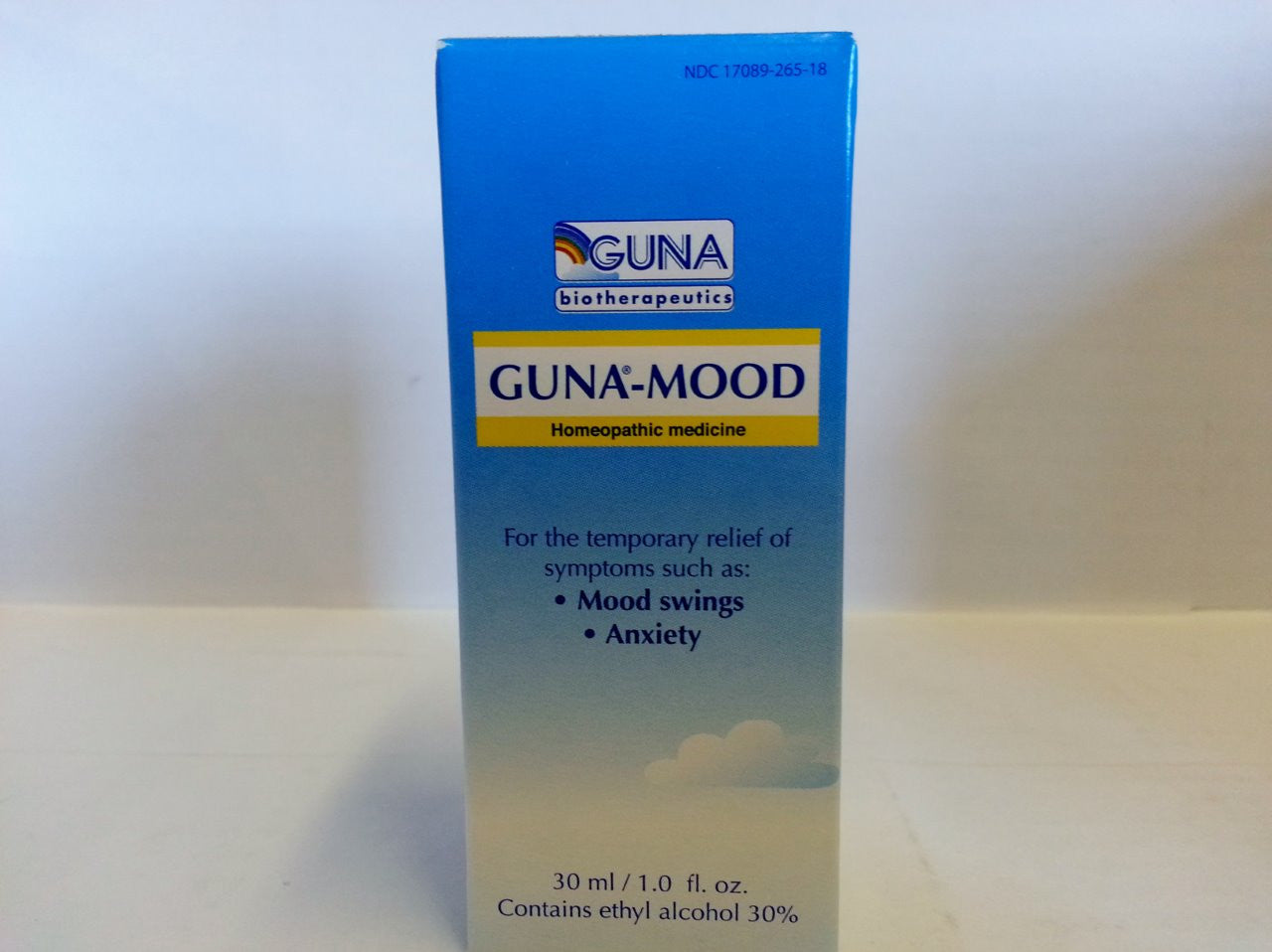
Guna Interleukin 1-beta 4CH is a low-dose preparation of a pro-inflammatory signalling molecule, used in the low-dose model to support modulation of the inflammatory cascade. Sepia Compositum (Guna Mood) is referenced as a PNEI-oriented companion, acknowledging the psychoneuroendocrine-immune interplay: chronic inflammatory states rarely sit apart from stress-axis and mood dysregulation, and addressing that terrain supports the overall picture.
Administration in practice
Guna low-dose cytokine drops are oral preparations. General practice with such drops is sublingual dosing away from food and strong flavours, with frequency and course length set per manufacturer guidance and individual assessment — typically a defined daily regimen over a sustained period, reviewed at intervals. Because the model is regulatory, responses are gradual and are judged over weeks, not doses.
- Route — oral/sublingual drops, held before swallowing.
- Timing — away from food, drink and mint.
- Horizon — assessed over a sustained course, not single doses.
Your natural toolkit — and which to reach for
Remedies referenced in this protocol. These are oral low-dose preparations, not injectables.
Interleukin 01 Beta (IL 1B) - Drops — low-dose interleukin to support modulation of inflammatory signalling.
Guna Mood - Drops — PNEI-oriented companion for the stress-mood-immune terrain.
Featured products

Interleukin 01 Beta (IL 1B) - Drops
Low-dose interleukin drops within the cytokine-support model.
Explore the full United Remedies range — blending homeopathy from Heel, Guna and Sanum with Weleda’s plant-based topicals and Zooki’s liposomal supplements.
Combining and cautions
Low-dose cytokines are used adjunctively and do not replace conventional management of diagnosed disease. Frame expectations honestly: evidence for these preparations is limited and debated, and effects are subjective and gradual. Review any patient on immunomodulating pharmaceuticals with their prescribing clinician. Note excipients and alcohol content of drops where relevant, and document rationale and review points clearly.
Practitioner FAQs
Why use a pro-inflammatory cytokine to support an inflammatory state?
The low-dose model proposes that very low, physiologically framed doses of a messenger can support regulatory feedback rather than drive the cascade. It is a modulation rationale, not a dose-response stimulation one.
Can these be combined with conventional immunotherapy?
They are positioned as adjunctive support. Any patient on immunomodulating drugs should be co-managed with their prescriber; do not adjust prescribed therapy on the basis of a low-dose adjunct.
How soon should a response be assessed?
Responses are gradual and judged over weeks within a sustained course, per manufacturer guidance and your clinical review, rather than over individual doses.
Note: For qualified healthcare practitioners. Educational only; not a substitute for clinical judgement, individual patient assessment, or the manufacturer's directions. Injectable and mesotherapy preparations are administered by appropriately trained practitioners in accordance with local scope of practice and aseptic standards.