


The Guna Method structures a case in three coordinated layers: drainage of the extracellular matrix and emunctories, PNEI rebalancing of the psychoneuroendocrine-immune network, and targeted symptom support. Designing a protocol means sequencing these so that drainage opens the terrain before deeper regulatory work is asked of it.
This article describes the three-layer logic, the remedies referenced as anchors, how sequencing is approached, and the practical cautions of layered protocols.
The short version: Open drainage first, rebalance the PNEI network, then support the symptom — sequenced, not simultaneous, for a cleaner response.
The three-layer logic
In homotoxicology the ground substance must be able to clear before regulation can hold. The Method therefore opens with drainage/depuration, layers in PNEI rebalance to address stress-axis, endocrine and immune signalling, and adds symptom-specific support last. This ordering aims to reduce aggravations and to make deeper regulatory inputs more effective, because a congested matrix blunts response.
- Drainage — matrix and emunctory clearance.
- PNEI rebalance — stress, endocrine and immune signalling.
- Symptom support — targeted remedies for the presenting picture.
The remedies as anchors
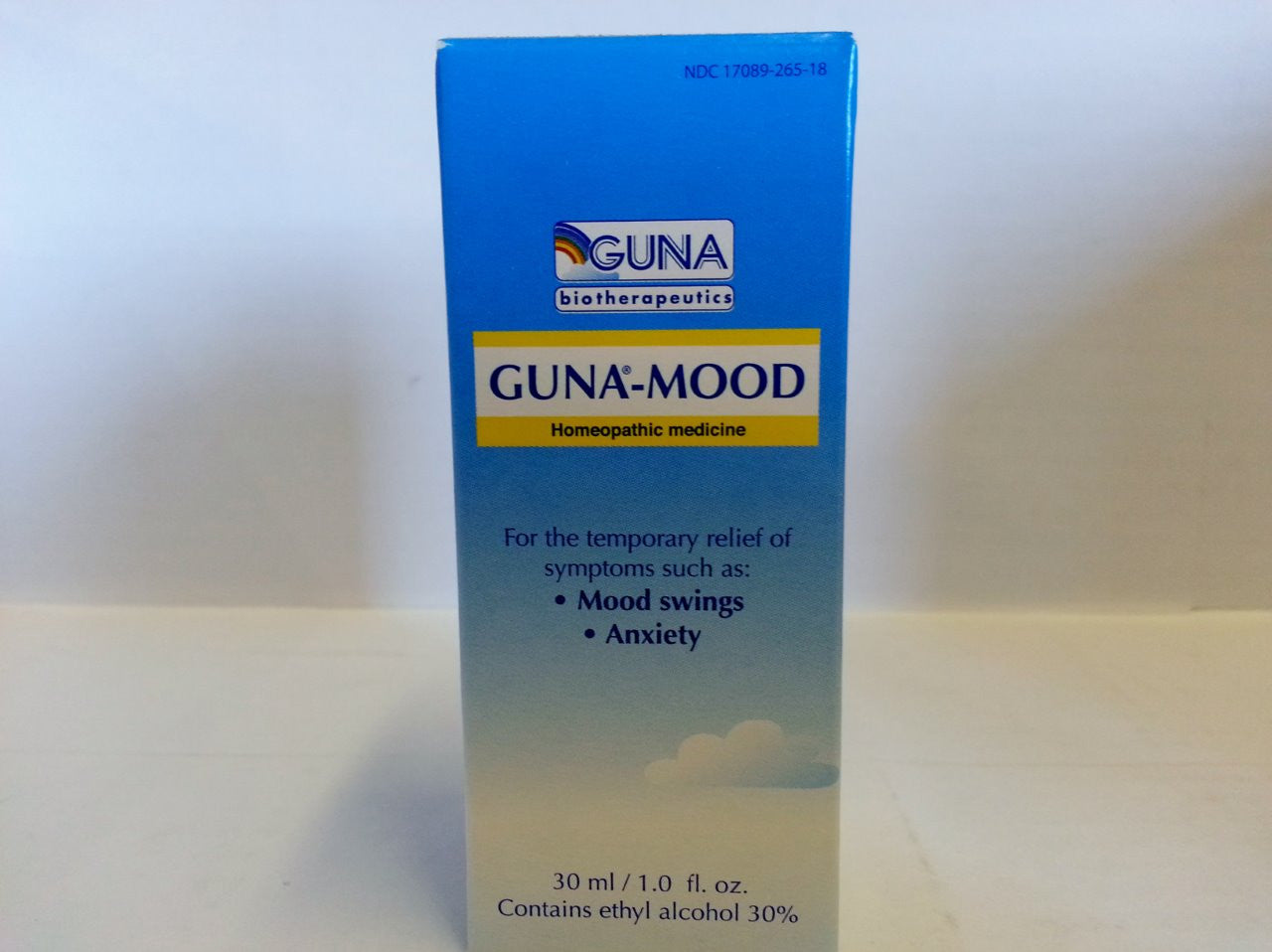
Lymphomyosot anchors the drainage layer as a classic lymphatic and matrix drainage remedy, supporting movement of the ground substance and lymphatic terrain. Sepia Compositum (Guna Mood) anchors the PNEI layer, supporting the stress-mood-endocrine axis. Around these anchors, symptom-specific remedies are selected case by case; the anchors define the regulatory backbone.
Sequencing in practice
A common structure opens with the drainage remedy alone or dominant for an initial period, then introduces PNEI support, then layers symptom remedies once the terrain is moving. Oral drops are the usual vehicle; general practice is regular daily dosing of each layer per manufacturer guidance and individual assessment, with review points where layers are added or stepped back. Pacing is individualised to sensitivity and vitality.
Your natural toolkit — and which to reach for
Anchor remedies referenced in this protocol. These are oral drainage and PNEI preparations.
Lymphomyosot — drainage anchor for the matrix and lymphatic terrain.
Guna Mood - Drops — PNEI anchor for the stress-mood-endocrine axis.
Featured products

Explore the full United Remedies range — blending homeopathy from Heel, Guna and Sanum with Weleda’s plant-based topicals and Zooki’s liposomal supplements.
Cautions with layered protocols
Introduce layers stepwise rather than all at once, so that any aggravation can be attributed and paced. In sensitive or depleted patients, open drainage gently to avoid overwhelming a low-vitality terrain. These protocols support regulation and self-care and do not substitute for diagnosis of serious pathology; screen and refer red flags. Document the layer plan and review intervals explicitly.
Practitioner FAQs
Why open with drainage before deeper work?
A congested matrix blunts regulatory response and increases the chance of aggravation. Opening drainage first is intended to clear the terrain so PNEI and symptom inputs land more cleanly.
Can the three layers run simultaneously?
They can overlap, but stepwise introduction lets you attribute and pace any reaction. In robust patients overlap is reasonable; in sensitive ones, sequence more deliberately.
How is dosing across layers handled?
Each layer is generally dosed as regular daily oral drops per manufacturer guidance and individual assessment, with defined review points as layers are added or reduced.
Note: For qualified healthcare practitioners. Educational only; not a substitute for clinical judgement, individual patient assessment, or the manufacturer's directions. Injectable and mesotherapy preparations are administered by appropriately trained practitioners in accordance with local scope of practice and aseptic standards.